
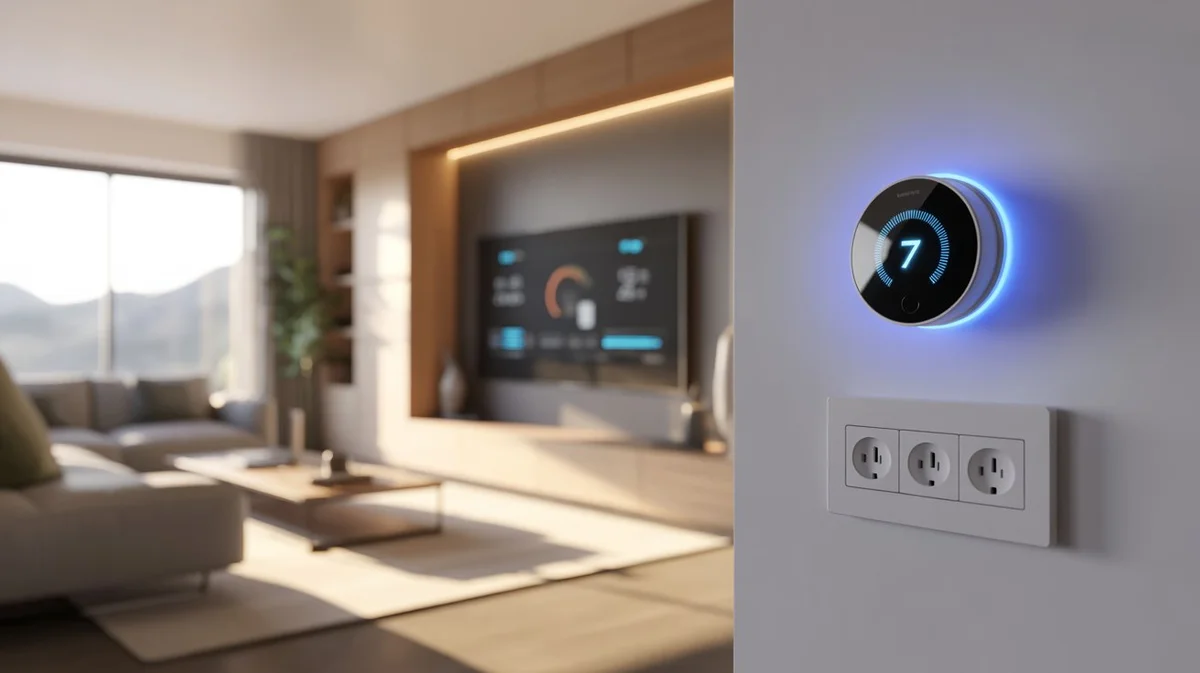
Introduction to Energy-Saving Smart Devices
In recent years, energy-saving smart devices have gained considerable traction in modern households, primarily due to the increasing costs of energy and a growing awareness of environmental sustainability. These innovative devices, which integrate advanced technology with user-friendly interfaces, empower homeowners to monitor and manage their energy usage more efficiently than ever before. As energy prices continue to rise, the relevance of these devices only intensifies, prompting many individuals to seek effective solutions to minimize their electricity bills.
Smart devices, ranging from smart thermostats to energy-efficient light bulbs, serve not only to enhance convenience within the home but also to foster improved energy efficiency. These devices typically feature programmable settings and real-time energy monitoring capabilities that allow users to make informed decisions about their energy consumption patterns. For example, a smart thermostat can automatically adjust heating and cooling based on occupancy, ensuring that energy is not wasted when the house is empty. This proactive approach to energy management is becoming essential in an era where sustainability is increasingly prioritized.
Investing in energy-saving smart devices not only leads to immediate financial savings but also contributes to long-term environmental benefits. By lowering energy consumption, homeowners can decrease their carbon footprints while enjoying the latest advancements in home technology. Furthermore, many utilities offer incentives for adopting energy-saving solutions, which can offset initial costs, making it an even more attractive option for budget-conscious consumers.
As we delve deeper into the various types of smart devices available in 2025, it becomes evident that the integration of technology with energy efficiency will play a paramount role in shaping the future of household energy management. These devices are more than just a trend; they represent a profound shift toward informed, responsible living.
The Benefits of Using Energy-Saving Smart Devices
Incorporating energy-saving smart devices into daily life presents multiple advantages that cater not only to personal financial interest but also to the broader ecological concerns. One of the most notable benefits is the substantial potential for cost savings. By utilizing smart devices, households can significantly reduce their energy consumption, thereby lowering utility bills. These devices often come equipped with advanced monitoring systems that track energy usage in real-time, enabling consumers to identify energy-heavy appliances and adjust their habits accordingly.
Beyond monetary savings, the environmental benefits cannot be overlooked. Energy-saving smart devices contribute to reduced overall energy demand, which in turn leads to lower greenhouse gas emissions. By optimizing energy consumption, these devices play a crucial role in promoting sustainability and reducing the carbon footprint of individual households. The integration of such devices into home management systems incentivizes efficiency and informs users about their energy impact, making them conscious of their consumption patterns.
The technological features of energy-saving smart devices enhance user friendliness and encourage engagement. Many devices allow for automation based on user habits, providing the capability to program settings that adapt according to the time of day or occupancy. For instance, smart thermostats can learn the temperature preferences of users and adjust accordingly, ensuring comfort while optimizing energy use. Furthermore, many devices integrate with smartphone applications, providing insights and alerts that facilitate informed decisions regarding energy consumption.
Ultimately, the implementation of smarter energy management systems becomes crucial for consumers who seek both financial relief and environmental responsibility. Through awareness and proactive management of their usage patterns, individuals can leverage the benefits of energy-saving smart devices to create a more sustainable living environment while enjoying lower utility bills.
Top 7 Energy-Saving Smart Devices in 2025
As we move towards 2025, the demand for energy-saving smart devices continues to grow, driven by the need to reduce energy consumption and lower utility bills. Below are seven of the most effective energy-saving smart devices available on Amazon that can help users achieve this goal.
1. Smart Thermostat – A smart thermostat intelligently adjusts heating and cooling settings based on your preferences and routine. This device can reduce energy usage significantly by learning your schedule, leading to potential savings of up to 30% on heating and cooling costs.
2. Smart LED Bulbs – Replacing traditional incandescent bulbs with smart LED bulbs can dramatically decrease electricity usage. These bulbs can be controlled remotely and scheduled to operate only when needed, making them a great choice for energy-efficient lighting solutions.
3. Smart Power Strips – Smart power strips can prevent phantom energy drain by automatically cutting power to devices when they are not in use. This device is particularly beneficial for home offices or entertainment systems where multiple devices can contribute to high energy bills.
4. Smart Plugs – With smart plugs, users can control the power supply to regular appliances remotely via a smartphone app. Scheduling devices to turn off when they are not needed helps reduce overall power consumption, leading to substantial energy savings.
5. Smart Home Energy Monitors – These devices provide real-time data on energy consumption, helping users identify energy-hungry appliances. Understanding usage patterns can empower users to make more informed decisions about their energy habits.
6. Smart Irons – Smart irons feature auto shut-off technology, which not only ensures safety but also saves energy by turning off when not in use. This can significantly lower power consumption in the laundry room.
7. Smart Water Heaters – Smart water heaters use technology to heat water more efficiently, responding to your consumption patterns. By optimizing energy use, these devices not only promote energy savings but also reduce water heating bills.
In summary, integrating these seven energy-saving smart devices into your home in 2025 can lead to significant reductions in energy consumption and cost savings. Accessible through Amazon, these products are ideal for anyone looking to enhance their home’s energy efficiency.
Conclusion and Future Outlook
As we have explored throughout this blog post, the significance of energy-saving smart devices cannot be overstated. These innovative technologies not only contribute to reduced energy bills but also play a crucial role in promoting a sustainable future. By integrating items such as smart thermostats, energy-efficient light bulbs, and connected home appliances into daily life, consumers can take proactive steps toward decreasing their overall energy consumption. This collective effort leads to substantial cost savings while minimizing environmental impact.
Looking ahead to 2025 and beyond, the trends in smart technology continue to evolve. The emergence of advanced energy management systems allows for greater optimization of energy usage in residential and commercial spaces alike. Innovations in machine learning algorithms and artificial intelligence are set to enhance how smart devices analyze energy patterns and suggest energy-saving measures tailored to individual users. Consequently, this can lead to smarter homes that autonomously manage energy allocation, further reducing expenses and conserving resources.
Moreover, the trend toward smart grids is expected to gain momentum, enabling real-time energy management and integration of renewable energy sources. Homeowners and businesses who invest in energy-efficient products now will be better positioned to capitalize on these advancements and benefit from the cost-efficiency and sustainability they bring. It is essential to stay informed about the rapidly changing landscape of smart technology, as the innovations on the horizon may provide even more opportunities for reducing energy expenses.
In closing, adopting energy-saving smart devices is not only a wise financial choice but also a crucial step toward a more sustainable future. As consumers, considering the integration of these technologies into our lives can yield long-term benefits that extend beyond mere savings—contributing to a collective goal of environmental responsibility.
Subscribe to our newsletter to get the latest news, promotions, and coupons for all things smart living from SmartLiving369!